Introduction
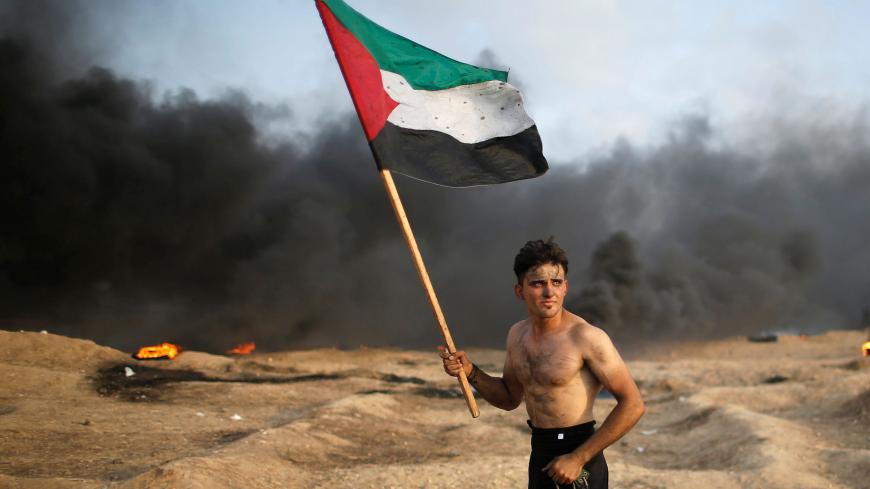
In the past few days, we have witnessed a surge of anger and profound sadness to the ongoing events in Palestine. The struggle ahead portends an uncertain future for the people of Gaza, which hangs heavy over our hearts. For those who read this as Muslim minorities in the West, despair is ever-present, as our ability to make meaningful impact being limited, partly due to the countries we reside in.
We witness the outpouring of condolences passed for a tragic singular event but overlook the ongoing plight of a people who face greater daily traffic events as part of their everyday existence. The portrayal shown by the mainstream media paints a picture that is deceptively complex and murky – filled with numerous nuances – that clearly show double standards with greater sympathy afforded to the apartheid state of Israel.
Within our lifetimes, we will encounter many scenarios that are coloured in various shades of grey, that can leave people in a morally ambiguous state and lead to mistakes. Other times, there will be instances where the path of righteousness and falsehood become remarkably clear, and none is as clear today as the struggle for Palestine.
The State of Palestine
Looking today to Palestine, its situation has continued to deteriorate, with Palestinians enduring dehumanizing conditions, their land being eroded by force and subjected to systematic terrorism and ethnical cleansing. The economic situation fairs no better, with the population living in essentially an open-air prison. Trapped within their homeland with access to the outside world severely restricted. Those with the greater ability to alleviate the plight of the Palestinians – the Muslim leaders – are against us. Some have chosen to adopt a ‘peace treaty’ that prioritizes financial interests over ethical principles. How can such peace exist where injustice reigns. This is what is described by the Israeli army as ‘mowing the lawn’ [1] – where the colonial occupiers engage in such acts of trauma to maintain control.
One of the more painful actions are the cyclical attacks on Al-Aqsa, the 3rd holiest land in Islam [2]. The area is home to numerous prophets of Islam including Ibrahim, Yaqub, Isa. They lived and preached to the people of this land. We also have the Prophet Muhammad (ﷺ) mention the blessings not limited to but including:
- Maymunah Bint Sa’d relates that she asked the Prophet (ﷺ) :“O Messenger of Allah, tell us the legal injunction about (visiting) Bayt al-Muqaddas. The Messenger of Allah (ﷺ) said: go and pray there. All the cities at that time were affected by war. If you cannot visit it and pray there, then send some oil to be used in the lamps.” [3]
- Zaid Ibn Thabit reports that the Prophet (ﷺ) said, “How blessed is Al-Sham”! The Companions asked, “Why is that”? The Messenger (ﷺ) replied, “I see the Angels of Allah spreading their wings over Al-Sham”. [4]
- Umamah Al-Bahili reports that the Prophet (ﷺ) said, “A group of my Ummah will remain on truth, they will vanquish their enemy and those who disagree with them will not be able to harm them until Allah commands”. “Where are these people”? The Companions asked. The Prophet (ﷺ) said, “In and around Al-Quds (Jerusalem). [5]
The Palestinian struggle isn’t one that is far away from us brothers. Continued injustice breeds tyranny and spreads to all corners of the Earth. The Islamic spirit needs to be revoked as shown in the Prophetic example that we will discuss below.
The Prophetic Resistance
The perpetual acts of violence and injustice has been a defining feature of the apartheid state since its insurrection some 75 years ago and mirrors the indignity faced by the early Muslims in Mecca over 1450 years ago. When the Prophet Muhammad (ﷺ) along with his followers left their homeland, they did so with the unwavering belief that one day they will return the sacred Kaba and their cherished homeland. Rightful recompense had yet to be delivered and would be returned by Allah as promised.
As the Quraysh continued to oppress the Muslims, long after leaving their homeland and by the permission of Allah, the command had been given to resist and fight back. Allah states in the Quran:
أُذِنَ لِلَّذِينَ يُقَٰتَلُونَ بِأَنَّهُمۡ ظُلِمُواْۚ وَإِنَّ ٱللَّهَ عَلَىٰ نَصۡرِهِمۡ لَقَدِيرٌ
Permission ˹to fight back˺ is ˹hereby˺ granted to those being fought, for they have been wronged. And Allah is truly Most Capable of helping them ˹prevail˺ [6]
Allah states that they are wronged and oppressed. What is this wronging that the Quraysh did for Allah to grant this permission? In the next ayah, Allah states:
ٱلَّذِينَ أُخۡرِجُواْ مِن دِيَٰرِهِم بِغَيۡرِ حَقٍّ إِلَّآ أَن يَقُولُواْ رَبُّنَا ٱللَّهُۗ وَلَوۡلَا دَفۡعُ ٱللَّهِ ٱلنَّاسَ بَعۡضَهُم بِبَعۡضٖ لَّهُدِّمَتۡ صَوَٰمِعُ وَبِيَعٞ وَصَلَوَٰتٞ وَمَسَٰجِدُ يُذۡكَرُ فِيهَا ٱسۡمُ ٱللَّهِ كَثِيرٗاۗ وَلَيَنصُرَنَّ ٱللَّهُ مَن يَنصُرُهُۥٓۚ إِنَّ ٱللَّهَ لَقَوِيٌّ عَزِيزٌ
˹They are˺ those who have been expelled from their homes for no reason other than proclaiming: “Our Lord is Allah.” Had Allah not repelled ˹the aggression of˺ some people by means of others, destruction would have surely claimed monasteries, churches, synagogues, and mosques in which Allah’s Name is often mentioned. Allah will certainly help those who stand up for Him. Allah is truly All-Powerful, Almighty [7]
As Allah decreed, the wronging the Muslims suffered was due to their worship of him, leading to their expulsion from their homes. Allah then provides a principle for the Muslims to follow in their life that underscores the critical importance of resisting tyranny, for if left unchallenged, will encroach all people and religions. Allah’s wisdom is clear, mentioning those in monasteries, churches and synagogues before the mosque and serves as a stark reminder.
The companions of the Prophet (ﷺ) internalized this principle and short after marched out for war in the Battle of Badr. With little more than the clothes on their back and mouths scorched because of fasting in the unforgiving desert heat. Numbering 300 odd, facing the Quraysh with an army three times their size, outmatched and out resourced. Their valour and unwavering resistance were rewarded by Allah, marking a pivotal moment in the history of Islam.
We look further to what Allah states in the Quran:
لَّا يَنۡهَىٰكُمُ ٱللَّهُ عَنِ ٱلَّذِينَ لَمۡ يُقَٰتِلُوكُمۡ فِي ٱلدِّينِ وَلَمۡ يُخۡرِجُوكُم مِّن دِيَٰرِكُمۡ أَن تَبَرُّوهُمۡ وَتُقۡسِطُوٓاْ إِلَيۡهِمۡۚ إِنَّ ٱللَّهَ يُحِبُّ ٱلۡمُقۡسِطِينَ ٨ إِنَّمَا يَنۡهَىٰكُمُ ٱللَّهُ عَنِ ٱلَّذِينَ قَٰتَلُوكُمۡ فِي ٱلدِّينِ وَأَخۡرَجُوكُم مِّن دِيَٰرِكُمۡ وَظَٰهَرُواْ عَلَىٰٓ إِخۡرَاجِكُمۡ أَن تَوَلَّوۡهُمۡۚ وَمَن يَتَوَلَّهُمۡ فَأُوْلَٰٓئِكَ هُمُ ٱلظَّٰلِمُونَ ٩
8. Allah does not forbid you from dealing kindly and fairly with those who have neither fought nor driven you out of your homes. Surely Allah loves those who are fair. 9. Allah only forbids you from befriending those who have fought you for ˹your˺ faith, driven you out of your homes, or supported ˹others˺ in doing so. And whoever takes them as friends, then it is they who are the ˹true˺ wrongdoers. [8]
Allah directs us here to remain balanced and to not be like those who oppressed us nor take them as friends as those who have betrayed us.
The Prophet (ﷺ) has shown us the art of resistance. In the lead up to the Battle of Badr, he conducted raids on the Meccan trade route, aimed at weaking the economy and, in the process stopping the relentless harassment and injustices suffered by the Muslim community.
Years later, we witness an incident where the Prophet (ﷺ), guided by a dream sets out to perform the Umrah following the Battles of Badr, Uhud and Khandaq. Notice how this act can resemble the way many of us visit Al-Aqsa to express our support and as a form of civil disobedience. The Quraysh now faced a dilemma, with no reason to stop the Muslims to refuse a pilgrimage. However, they responded as such. Eventually, they were forced into the negotiating table, leading to the Umrah taking place the year after and an agreement of a 10-year treaty, known today as the Treaty of Hudaybiyyah.
Superficially, this treaty on paper appears disadvantageous. Indeed, Umar ibn al Khattab questioned the Prophet (ﷺ) – with the Prophet (ﷺ) stating that he was unaware of the full scope of its benefits. The matter had been divinely ordained by Allah to the Prophet (ﷺ). History will later show that this process was preparing the believers for an impeding victory, achieved through diplomacy.
The Prophet (ﷺ) said: The people will soon summon one another to attack you as people when eating invite others to share their dish. Someone asked: Will that be because of our small numbers at that time? He replied: No, you will be numerous at that time: but you will be scum and rubbish like that carried down by a torrent, and Allah will take fear of you from the breasts of your enemy and last enervation into your hearts. Someone asked: What is wahn (enervation). Messenger of Allah (ﷺ): He replied: Love of the world and dislike of death. [9]
The hadith emphasizes that weakness leads to cowardice, weakness, and appeasement of values in times of pressure. Such behaviour encourages tyranny further and deteriorates our hearts weaker. To the achieve the justice we so desperately crave, we must pursue a unified, disciplined resolve all the while our trust is placed in Allah.
Hope & Action
The beauty is readers, that Allah has illuminated the hearts that resonate the suffering of the Palestinian people. This shared ache serving as a reminder of the believer’s enduring hope, and indeed it as the Prophet Muhammad (ﷺ) said about the believers that we are one body and are aching. [10]
However, we are human. There are times where we err and can waiver in our resolve. We can become pessimistic and despair and this is only natural. I remind you that hope is the shield of the believer that is always raised. It is in scarce supply today, but it can never truly vanish. I think to the words of Imam Ghazali who stated that we must distinguish between hope and wishful thinking. He elucidates this difference in the following example:
The one with hope is he “who seeks good ground and casts into it seed of first quality which is neither mouldy nor worm-eaten, who thereafter looks after it and does whatever is necessary—such as its watering at appropriate times—who then clears the ground of thorns and weeds and everything that obstructs the growth of the seed or makes it rot; who then sits down and expects from the bounty of God the warding off of thunderbolts and blights until his crop is mature and he has achieved his goal—his expectation is called hope.” [11]
The one with delusion is he who “scatters his seed in ground which is baked hard or swampy, which is so elevated that water does not reach it, who does not labour one whit in the preparation of the seed—if he then expects a harvest from it, his expectation is called stupidity and self-deceit, not hope. And, if he scatters seed in ground which is good but without water and proceeds to wait for the waters of the rain in place where [rains] do not prevail, his expectation is called wishful thinking and not hope.” [12]
I offer this example to illustrate a crucial point: Every individual possesses the capacity for hope and the ability to align their actions with their intentions.
One final consideration to ponder is this: When another calamity emerges or tension rises in another part of the world again, will the Palestinian struggle fade to the back of our consciousness? Part of our collective responsibility, with those in more influential positions taking the greater burden, is to support endeavours that enable us to stand in solidarity with the struggles of the Palestinian people. One of the critical shortcomings that needs addressing is the failure of the Muslim community to unify against overarching injustices, instead engaging in disputes, which problematic to varying levels, pales in comparison to this struggle. These efforts may span generations before they yield positive change, and our ultimate reliance is solely upon Allah for their success.
Conclusion
We now reside in a world where Muslims are increasingly under attack, and sanctuary is hard to find. The Palestinian struggle intends to remind us of the collective responsibility we share towards one another. Abu Musa reported: The Messenger of Allah (ﷺ), peace and blessings be upon him, said, “Verily, the believers are like bricks of a building, each part strengthening the other,” and the Prophet (ﷺ) clasped his fingers together. [13]
The spirit of resistance as exemplified by the teachings of the Prophet (ﷺ) remains strong, with the Palestinian leading the way in such resistance. The resistance of oppression and justice is amongst the foundations of our religion with such an obligation to do our part in whichever capacity possible. And just as the Battle of Badr led the way as the cornerstone for the Prophet Muhammad (ﷺ) in their times, I can’t help but feel as though for many of us, this struggle is our cornerstone in the greater Islamic history.
This is our Badr.
- https://www.washingtonpost.com/world/2021/05/14/israel-gaza-history/
- Muslim 1397, Bukhari 1189, Sunan Abi Dawud 2033
- Sunan Abi Dawud 457
- Tirmidhi 3954
- Musnad Ahmad 22319
- Quran 22:39
- Quran 22:40
- Quran 60:8-9
- Sunan Abi Dawud 4297
- Al-Nu’man ibn Bashir reported: The Messenger of Allah, peace and blessings be upon him, said, “The parable of the believers in their affection, mercy, and compassion for each other is that of a body. When any limb aches, the whole body reacts with sleeplessness and fever.” Bukhari 6011, Muslim 2586
- Ihya Ulum Al-Din, Volume 4: 143, Abu Hamid Al Ghazali
- Ibid
- Bukhari 481, Muslim 2585

 Ilhaam Institute
Leave a comment